Journal of Civil Engineering and Environmental Sciences
The Hilada in Cajamarca, Peru: A Pre-Columbian Construction Tradition that Endures Over Time
Polytechnic University of Valencia, Spain
Author and article information
Cite this as
Peceros HET, et al. The Hilada in Cajamarca, Peru: A Pre-Columbian Construction Tradition that Endures Over Time. J Civil Eng Environ Sci. 2025; 11(2): 70-78. Available from: 10.17352/jcees.000097
Copyright License
© 2025 Peceros HET, et al. This is an open-access article distributed under the terms of the Creative Commons Attribution License, which permits unrestricted use, distribution, and reproduction in any medium, provided the original author and source are credited.The hilada technique, a type of cob preserved in Pacopampa, represents an appreciated link to pre-Columbian construction traditions and a unique opportunity to revitalize ancestral knowledge in contemporary architecture. Its study not only enables the reconstruction of forgotten building methods but also provides a tool to address the challenges of sustainable development. Although pre-Columbian construction technology remains enigmatic due to the absence of historical records, research in communities like Pacopampa uncovers traditional practices that bridge the past and present. The hilada technique, noted for its durability and adaptability to the environment, exemplifies sustainable construction that could be integrated into modern architecture. Its application underscores the potential to merge tradition with technology, creating more responsible and environmentally respectful solutions. Rescuing and disseminating this legacy not only honors a unique cultural heritage in South America but also offers innovative perspectives on sustainability and heritage conservation.
The construction technique known in Cajamarca as hilada is a traditional practice typical of this province of Peru and adjacent areas. This technique is characterized by the construction of walls by directly shaping earth. Therefore, this technique does not use formwork or compaction to give them their final shape. The earth is placed in layers or courses 40 to 50 cm thick, spread along the entire perimeter of the building site. Once each layer has dried to a point where it has adequate load-bearing capacity, the next layer is placed, and the process is repeated successively until the total height of the wall is reached.
To form the walls, the earth mortar must have a moisture level that allows it to be worked without molds. However, the incorporation of abundant vegetable fiber is required to minimize cracks caused by drying. The stability of the finished structure depends, to a large extent, on the skill and experience of the operator in maintaining the alignment and joints at the corners of the walls, taking care to avoid joints and voids in order to achieve a monolithic and continuous construction.
Durability is one of the most notable aspects of this technique. The inhabitants of this province trust in the solidity of the constructions made with the hilada, surely thanks to the technical quality of their structures. To date, it has not been possible to determine exactly how this ancient building tradition has managed to remain in practice in this area of the country for so long.
The importance of hilada lies in its persistence over time, apparently as a legacy of pre-Columbian times. However, this technique is in danger of disappearing due to the advances of new materials and a lack of awareness of its heritage and intangible value within the history of Peruvian architecture.
To clarify the distinction between hilada, DSE, and adobón, a brief description of each term is provided below. Hilada is the local term used by inhabitants of northern Peru to refer to a vernacular direct-shaping technique, which consists of building with earth by placing long, continuous sections of mortar that are successively overlapped to form the wall.
DSE (directly shaped earth) is the technical term used to describe the process of placing and shaping earth mortar without the use of molds; it is a term adopted in this study to refer to this construction tradition, since the original pre-Columbian name associated with this practice has not been preserved.
Finally, adobón—literally “large adobe”—is the colloquial term used to refer to certain archaeological walls built using DSE and executed in segments.
Method
This work is the result of information gathered during a visit to the town of Pacopampa on December 3 and 4, 2022, to learn about buildings constructed using the hilada technique and their builders. In this context, we interviewed Mr. Manuel Fernández, a resident of the district, an experienced builder, and an expert in the hilada technique. Through his testimony, it was possible to obtain a detailed description of the construction process, significantly enriching the analysis carried out.
Fieldwork played an essential role in gathering primary information. Documentation was carried out through measurements, direct observations, and photographic records of modern constructions in the town of Pacopampa. This record was complemented by a bibliographic review, which included consulting publications in specialized journals, books, and interviews with specialists. Libraries were visited to expand the available knowledge.
A notable contribution came from access to the library of the Centre International de la Construction en Terre (CRATerre) at the École Supérieure d’Architecture de Grenoble in France.
This allowed us to compare the data obtained with international contexts, comparing and identifying them with the particular characteristics of Peruvian constructions. The contrast made with African and European building traditions was important in establishing parallels and differences, and in highlighting the particularities of the earth-forming technique directly in the Andes.
The comparative approach adopted in this research not only filled substantial gaps in knowledge about Peruvian building traditions but also helped to contextualize these techniques within a global framework. This transdisciplinary analysis underscores the relevance and uniqueness of Andean architectural practices, highlighting their potential to inform and enrich contemporary debates on sustainability and heritage preservation.
Pre-columbian construction traditions
Building traditions are technical procedures used in construction to build walls, roofs, fillings, etc. They incorporate scientific knowledge applied to materials technology and advances in engineering [1] to improve the strength of buildings.
Unlike architectural traditions, which seem to be influenced by social or political changes, construction traditions respond mainly to functional needs. In the case of pre-Columbian Andean architecture, although multiple studies have been conducted, they have not followed an order that allows for systematic cataloging, nor have they been used as an indicator comparable to the use of ceramics.
The tradition of masonry
In pre-Columbian Peru, masonry was developed in various styles, using both adobe and stone. According to Campana [2], the use of adobe evolved from the early days of unmolded adobe to those made with molds. This tradition includes not only variations in the shape of the adobe bricks (conical, cylindrical, flat-convex, parallelepiped, among others), but also in the techniques used to lay them. Some adobe walls are massive, with proportions that give them stability against pressure and seismic vibrations. Another technique for stabilizing walls consisted of building trapezoidal sections, reinforced internally with reeds and organized with larger adobe bricks at the base and smaller ones towards the top [2].
Reinforced earth structures
The traditional use of quincha or bahareque, as it is also known, dates back to the origins of culture in the Andes. According to the evidence found, the first settlements or camps were built with structures made of reeds, usually caña brava (Gynerium sagitatum), logs, and tree branches. Carob wood (Prosopis pallida) was used for its strength in vertical elements. The structure was finally covered with a layer of mud. This quincha technique is the rational fusion of mud and cane [2].
Quincha has also been found in Caral. At the top of the pyramid, known as “De la Galería,” there are enclosures formed by carob posts joined horizontally by reeds tied with ropes and covered with a thin layer of mud as a final finish for the walls. These are probably the best-preserved and oldest quincha structures on record. During the Mochica period, quincha was used with a stone base, especially in domestic buildings. In the colonial period, it regained popularity after the 1746 earthquake, when the new building code for the reconstruction of Lima recommended its use due to its low weight and anti-seismic qualities [3] .
Structured fillings
From early times, remodeling work in pre-colonial architecture included the use of construction fill as a method for expanding buildings. This procedure involved filling enclosed spaces, as required by changes in building design. Although this task seems elementary, the procedure for placing fill becomes complex when the walls containing it are not strong enough to withstand the thrust generated by overloads on the platforms or by seismic displacement.
Retaining walls were widely used in Andean monumental architecture, and the combination of walls and fill was developed due to the early use of slopes and superimposed platforms, a technique used repeatedly. It is estimated that this technical need drove the development of innovative solutions that can be defined as load-bearing, reinforced, or structured fill. In other words, fills were constructed with the criterion of not increasing the thrust on the retaining walls, but rather making them sufficiently resistant to minimize such thrust. Consequently, the retaining wall acted almost as a cladding for the fills, which became the essential structure of the building.
Columns and pillars
Perhaps one of the least known structural elements was the use of columns and pillars in pre-Hispanic architecture. These were built from various materials such as adobe, stone, reeds, and, in some cases, a combination of these materials. The origin of the columns must have been the pitchfork or carob wood, which, due to its strength, could be used in roofing. Columns were traditionally built with acceptable structural capacity, taking advantage of the rigidity of dry mud and the flexibility of reeds. This fusion of materials is similar to the design concepts of today’s reinforced concrete columns, where steel, a ductile material, provides flexibility to concrete, a fragile material.
In other cases, adobe bricks were placed radially to form cylindrical columns, such as those found at Huaca Lucía; wooden posts forming the core of the column and covered with layers of reeds and coated on the outside with clay, such as those found at Huaca de los Reyes or the columns on platforms at Pampa Grande, whose upper platform contained 48 square, painted columns built with adobe bricks [4].
In the late Inca period, cylindrical columns and stone pillars joined with mud mortar were found in Incawasi and Pacarán (Cañete); in the temple of Wiracocha in Raqchi in Cusco, they were built with adobe bricks and a foundation of cut and set stone. As can be seen, the use of columns and pillars was widespread in ancient Peru.
Continuity of the construction practice
Directly shaped earth is another traditional technique from the late periods of ancient Peru, which developed between the 12th and 15th centuries AD. In some areas, it replaced the adobe tradition, or both techniques were used in the same building, depending, it seems, on the availability of earth for construction. Among the specialists who studied this tradition is Ravines [5], who mentions that this technique was called allpa pirca, or wall of tilled earth, although he offers no evidence to support this claim. In another study, Campana [2] includes the term adobón, explaining in his publication that adobón was manufactured to form volumes and is constructed similarly to adobe in separate units.
The tools used for construction have not been identified. In some late sites on the central coast, walls have been found with imprints of a kind of very dense cane and textile weave, apparently from some kind of support or formwork. However, the use of some kind of hand tool for construction cannot be ruled out, as these may have been lost due to the perishable nature of wood. In addition, there are some references in the Quechua language, such as the term rammer, which could indicate the use of this tool in pre-Columbian times. It is important to remember that there are a considerable number of pre-Columbian tools in Peruvian museums whose use has not been determined, and which could have been used in construction tasks.
Replacement and loss of tradition
With the arrival of the 16th century, the technique of directly shaped earth (DSE) was displaced and gradually replaced by the technique of rammed earth. In contrast, Adobe construction managed to remain a current practice, adapting to the new dynamics of the colonial period.
The abandonment of DSE meant not only the loss of its construction application, but also the disappearance of its native name and the processes associated with its execution. This phenomenon contrasts significantly with the intense pre-Hispanic construction activity that made extensive use of this technique. Currently, walls built using this technique are called tapias (rammed earth), an incorrect term that seems to have been adopted during the early years of colonization, probably due to the morphological similarity between the two techniques.
The replacement of DSE by tapia (rammed earth) had profound consequences, notably the loss of a vast building tradition based on the oral transmission of knowledge. Pre-Columbian buildings that used this technique are now tangible evidence of knowledge accumulated over generations, the culmination of which can be seen in the monumental structures that can still be appreciated today. However, the abandonment of this practice during the colonial period meant the loss of a part of this knowledge.
To understand the principles and processes of DSE, it has been necessary to resort to contemporary approaches, such as reverse engineering. This approach has made it possible to reconstruct important aspects of this pre-Hispanic technique, including the preparation of materials, the use of tools, and the construction procedures employed. In this way, current research not only contributes to documenting an almost forgotten tradition but also offers an opportunity to value it as a component of Peru’s architectural and cultural heritage.
The vast number of pre-Hispanic buildings that once existed in Lima and have been destroyed due to the city’s horizontal growth is evidence of the magnitude and importance of these constructions in the history of ancient Peruvian architecture. Unfortunately, this destructive trend continues today, affecting the country’s cultural heritage.
In this context, the observations of George Squier and the reflections of Luis Ccosi Salas stand out. At different times, both pointed out the consequences of these harmful practices. In his studies, Squier warned about the destruction of ancient structures in the vicinity of Lima at the end of the 19th century. He noted with concern the use of materials from these buildings to meet the growing demand for bricks in urban expansion:
“...as there is a great demand for bricks, the ancient adobe structures are being rapidly destroyed, and the material is being transformed into bricks for modern cities” [6] .
For his part, Luis Ccosi Salas [7], in an illustrated testimony accompanying a graphic from the Tello archive—preserved at the National University of San Marcos—expresses his indignation and frustration at the systematic demolition of monuments such as Huaca Orrantia in the mid-20th century. His statement not only denounces the indifference of the authorities and the public towards the protection of heritage, but also highlights that this attitude has deep roots in Lima’s history:
“Today, the death sentence of this huaca, which the conquistadors and the centuries could not destroy, but which the developers of this area are destroying today, begins to be carried out. It is in good condition and easy to restore as a great prehistoric monument of Peru. Its only sin is that it is the work of the ancient Peruvians and not of the Spanish, which is why the developers are destroying it.”
Analysis of these testimonies highlights the continuity of these destructive practices throughout the 20th century, underscoring the urgent need to reflect on the number of pre-Hispanic buildings that have disappeared for similar reasons. A notable example is the case of Huaca Orrantia, whose destruction symbolizes not only the loss of an archaeological monument but also the abandonment of the historical memory it represents. This issue remains pending for future studies, in which it will be crucial to document and analyze more cases of architectural heritage affected by uncontrolled urban development.
Studies conducted
Various testimonies and historical records have documented aspects of this particular construction strategy, proposing theories about how the walls of the directly shaped earth were built. Texts describing the exterior appearance of these structures have been selected, written by researchers and chroniclers whose observations have been fundamental to an initial understanding of these monuments.
Pablo Chalón [8] was one of the first to mention a technique known as adobón, referring to the use of a “cane box that serves as a mold” and mentioning that the earth was compressed with the feet or with a tool called a taktana, a term found in Gonzales Holguín’s Quechua dictionary that means “tamping tool.” Although Chalón does not present data to support his claims, his contribution consolidated concepts that have remained in the architectural and archaeological lexicon to this day.
Ernst Middendorf [9], a German traveler from the late 19th century, made a valuable contribution in volume II of his work El Perú. In his explorations of the ancient constructions of the Rímac Valley, he described the walls as structures of rammed earth, compacted in molds:
In 1935, Villar Córdoba, in his work Pre-Hispanic Cultures of the Department of Lima [10], defined the walls as rammed-earth walls. However, he later described them as large blocks, approximately one cubic meter in size, with an exterior plaster finish that gave them the appearance of a uniform rammed earth wall. Although he highlighted differences with rammed earth, his interpretation reflects a certain conceptual confusion.
On the other hand, Jorge Muelle [11], in Tecnología del barro en el Perú precolombino (Mud Technology in Pre-Columbian Peru), called this technique allpa-pirca or mud wall.
In his work Pre-Hispanic Lima [12], Santiago Agurto made an important contribution by analyzing the dimensions of the mud castings and the technical characteristics of the sloping joints of the walls. He pointed out the absence of traces indicating the use of rigid molds, which led him to rule out the use of the rammed earth system.
In more recent research, Vargas and Soto [13] published an article in which they defined the monolithic walls of the Mateo Salado archaeological site as Modeled Earth Blocks (MEB). The authors concluded that the construction system used was not the rammed earth technique and that the earth was probably placed and modeled by hand.
Although Vargas and Soto do not provide additional information beyond what is already known, their observations contribute to the debate on the characteristics of this technique, especially in terms of terminology. In this instance, it is important to justify the use of the term “conformar” (to shape) to define this construction tradition. The term “conformar” is associated with architecture (arquitectura), while other meanings, such as “modelar” (to model), are associated with artistic forms or, in any case, movable property. Therefore, the use of the term “directly shaped earth” is proposed, since the structural elements are built or shaped directly in the place where the element will be constructed, unlike, for example, adobe masonry, where the adobe bricks are modeled separately and then transported to be installed by the adobe builders in their final location.
Other similar traditions worldwide
The literature reviewed on directly formed earth walls (DSE) shows an effort to describe both the material aspects and the structural configurations of this construction technique.
Within the framework of comparative studies, references to diverse archaeological and geographical contexts are identified that contribute to contextualizing the buildings that are the subject of this research in terms of time and space. For example, works such as Construire en Terre [14] explore similar methods such as façonnage direct and bauge used in Europe. These techniques, similar to those found in Peruvian contexts, are described in detail, highlighting their similarity to traditional pottery-making processes. According to this source, construction is carried out in successive bands or layers, using a mixture of earth whose consistency must be between excessively dry and excessively wet soil.
As for the African constructions described in the same work, the use of balls of earth approximately 20 cm in diameter and weighing 4 kg is documented. These balls are used to form walls that reach heights of 50 to 70 cm before being left to dry for two or three days. Subsequently, a surface finish is applied to the walls using simple tools such as flat stones [14].
On the other hand, the Traité de Construction en Terre [15] details that the technique known as terre façonnée direct uses earth in a plastic state, allowing structures to be modeled without the need for molds or formwork. In Africa, this technique has variants such as colombin, boules façonnées, and tresses façonnées. The first two have similarities with Andean methods, with the use of earth spheres in the case of boules façonnées being particularly noteworthy. This methodology is distinguished by its ability to model diverse shapes, thanks to the flexibility of building with horizontal layers of mud. Applications include buildings with conical, trapezoidal, and other shapes adapted to local needs.
Among the challenges documented in this type of construction is the appearance of cracks resulting from the drying of the mixture, which negatively impacts its mechanical properties. This phenomenon is also observable in some pre-Columbian walls where drying cracks are a recurring feature.
In the Americas, both archaeological and contemporary construction contexts have been identified in which similar earth building systems have been used. A notable example is the flooded earth system, known as blá, from San Mateo Río Hondo in Oaxaca, Mexico [16]. This technique, based on modeling plastic clay, has similarities with the techniques found in archaeological constructions in northern Mexico, specifically in Paquimé. Mexican blá is closely related to the hilada technique, especially because both are living traditions that need to be preserved for their value as intangible heritage of their respective nations.
On the other hand, a comparable technique is that of chullpawawas [17], which consists of rolls of plastic-like earth mixed with abundant vegetable fiber. These were used in the construction of pre-Columbian funerary structures known as chullpas. These construction elements create continuous monolithic walls whose internal layout is only visible in cross-section, while the exterior walls have a uniform surface due to the final finish.
There are other relevant archaeological findings documented in research on sites such as Joya de Cerén in El Salvador, the village of Tulor in northern Chile, and the sites of La Joya and El Zapotal in Mexico [18]. These remains attest to the importance and widespread practice of this architectural tradition throughout the American continent in pre-Columbian times. However, most of these traditions have been lost as living practices. Therefore, it is imperative to recover and preserve those that persist, as they represent an invaluable testimony to the cultures that developed them.
The builders of pacopampa
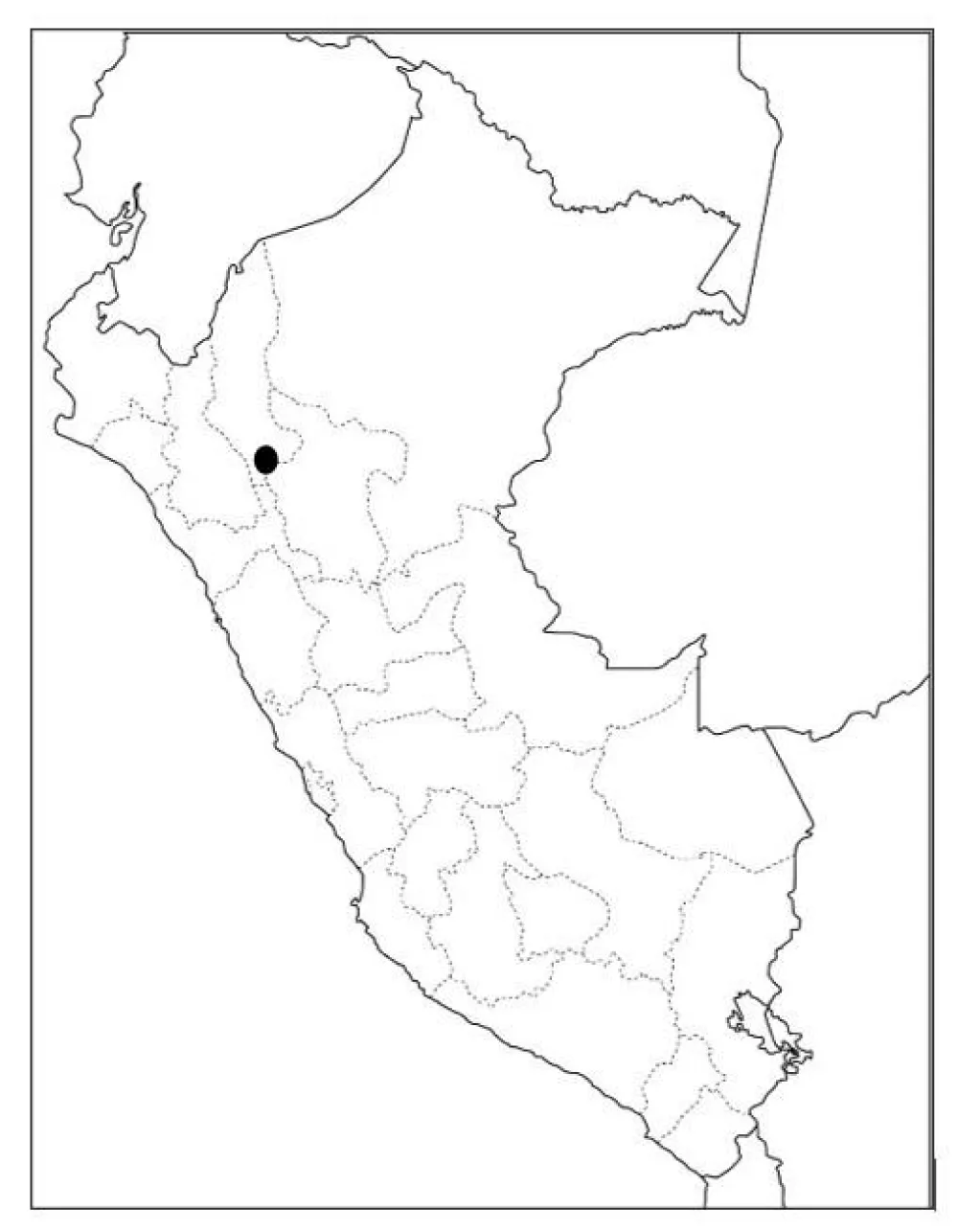
Pacopampa is part of the district of Querocoto in the province of Chota in the Cajamarca region, which can be reached by land from the coastal city of Chiclayo, located 720 km north of Lima, the capital of Peru. Its altitude is 2,426 meters above sea level.
As we have seen in this document, the civilizations of ancient Peru used earth as a building material, along with other materials, employing techniques ranging from adobe to mixed structures with wood. In Pacopampa, in northern Peru, the technique of hilada, which is the local name given to directly shaped earth, is one of those ancient techniques that has persisted to the present day, although, as has also been mentioned, it is unknown how it remained active after the pre-Hispanic period.
There is no evidence that this technique derives from European traditions introduced after the Spanish conquest. On the contrary, during the colonial period, new techniques were implemented, such as rammed earth, characterized by the use of formwork and compaction. This reinforces the hypothesis that the hilada practiced in Cajamarca is a legacy of pre-Hispanic coastal traditions, which used it extensively in the final periods of the pre-Columbian era (Figure 1).
Construction process
The field visit to Pacopampa allowed us to identify traditional constructions built using the hilada technique. To gain a deeper understanding of this technique, we interviewed Manuel Fernández [19], a master builder and resident renowned for his expertise in applying this traditional construction method. His testimony provided information on the procedures, materials, and characteristics that define this technique, which forms part of the region’s intangible cultural heritage.
The interviewee was selected based on his experience as an active builder using Hilada. The data were analyzed by comparing field observations with documented techniques. The reliability of the analysis was ensured by cross-checking the information using different sources and verifying it against existing technical literature.
The hilada technique: Origin and meaning: According to Mr. Fernández, the hilada technique has ancient origins and has been used for generations in Pacopampa and nearby towns. This tradition is so deeply rooted that, as he points out, “The inhabitants of Pacopampa were born in houses built with hilada.” In addition to its longevity, the technique stands out for its ability to adapt to local conditions and ensure durable buildings. In our experience, houses built with hilada can remain in good condition for 100 years, while those built with rammed earth have an estimated useful life of approximately 20 years, Fernández said.
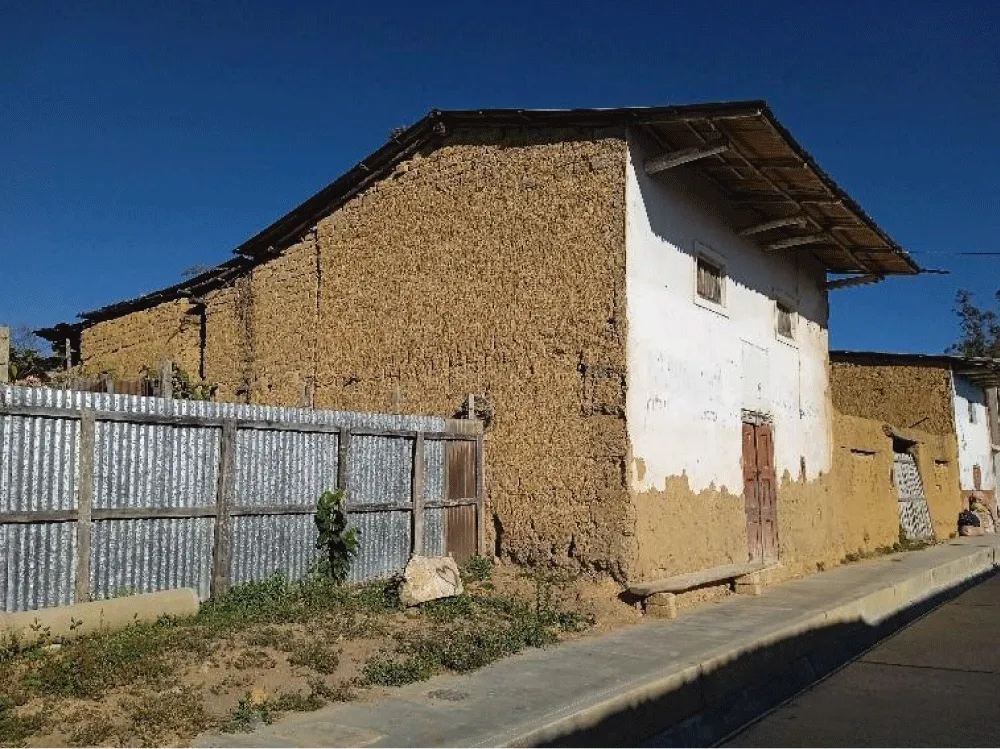
Characteristics of the dwellings: One of the distinctive features of homes built with hilada is their spaciousness. They have large interior spaces, designed by the owners according to their needs. The internal layout generally includes defined areas for the kitchen, dining room, and bedrooms, without excessive segmentation.
The distance between the walls is not only a matter of spatial planning, but also depends on the length of the planks that make up the mezzanines, a decision that has a direct impact on structural stability. According to Fernández, it is common for doors to be placed near corners, reinforced with a wooden beam as a lintel to improve their strength (Figure 2).
Preparation of the clay
The mud preparation process is fundamental to the quality of the final result. According to Fernández, the mud must rest for 15 to 20 days, depending on the characteristics of the soil. This resting period allows the material to reach an optimal consistency, and it is then mixed again to ensure its homogeneity. Poña or nudillo (Paspalum sodiroanum) is added to the mixture, an essential element that prevents the mud from cracking during drying. Fernández emphasized that the longer the mud is prepared, the greater its consistency and rigidity (Figure 3).
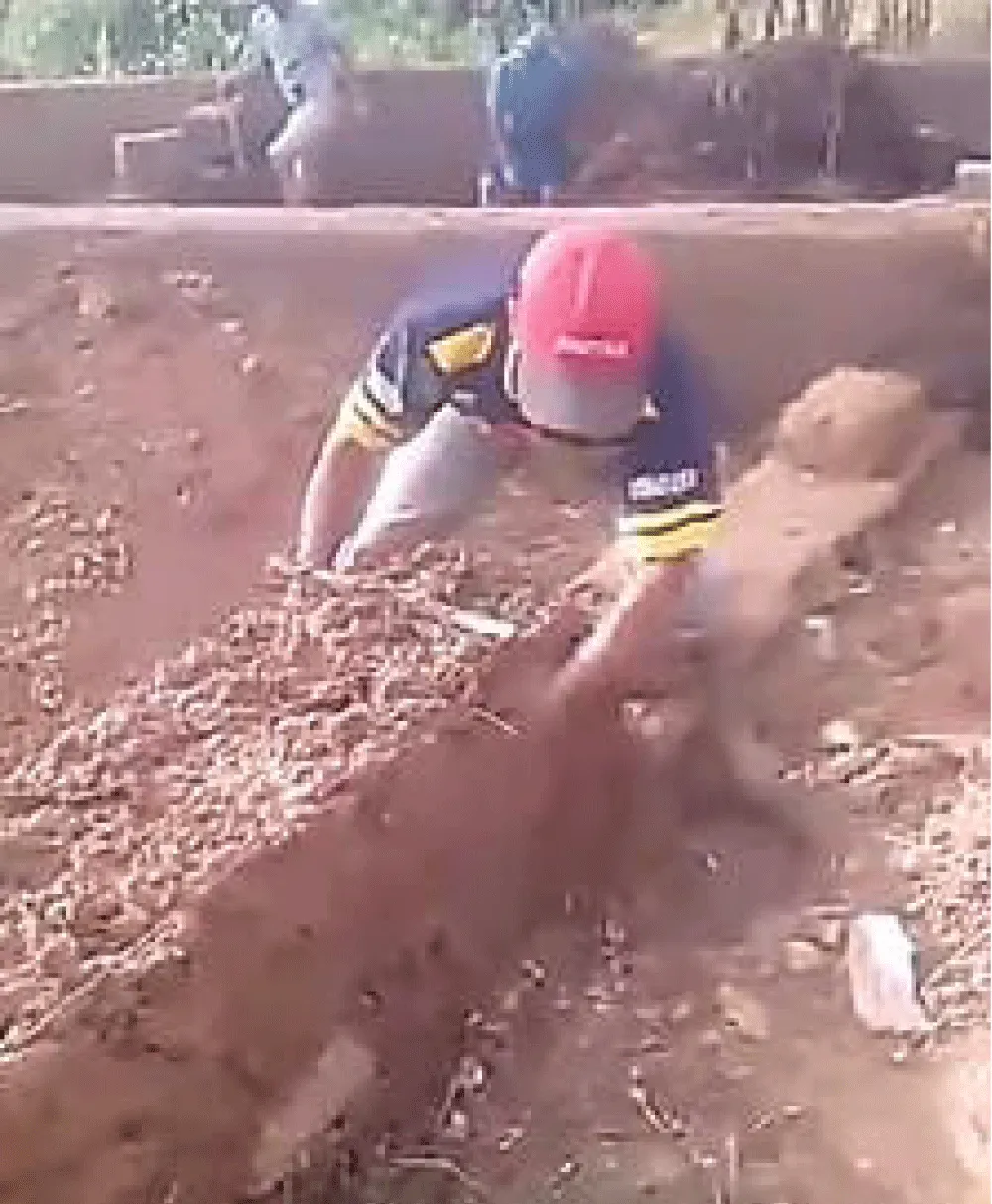
The traditional process includes a series of stages described as: “well rotted, well kicked, well trampled, well matted, and well aired” ([19]), words that highlight the care and effort invested in preparing the material, a task that generally falls to the youngest assistants on the job under the supervision of the most experienced master builders. Rotted refers to the constant moistening of the mixture.
Construction procedure: Construction with courses begins with the excavation of a foundation, which is filled with foundation stone (approximately 30 centimeters in diameter) and compacted with moist earth until it reaches the natural ground level. This foundation ensures structural stability and protection against ground moisture (Figure 4).
The recommended wall width is at least 50 cm, and the construction process proceeds in layers (rows) of mud approximately 50 cm high. Each layer is left to dry for 20 days to a month before the next one is laid, which guarantees the cohesion and solidity of the wall. The first layer is usually more compact, with larger mud masses, while the upper layers use smaller, more manageable masses. A two-story house, with the first floor in rows and the second in adobe, can take at least six months to complete (Figure 5).
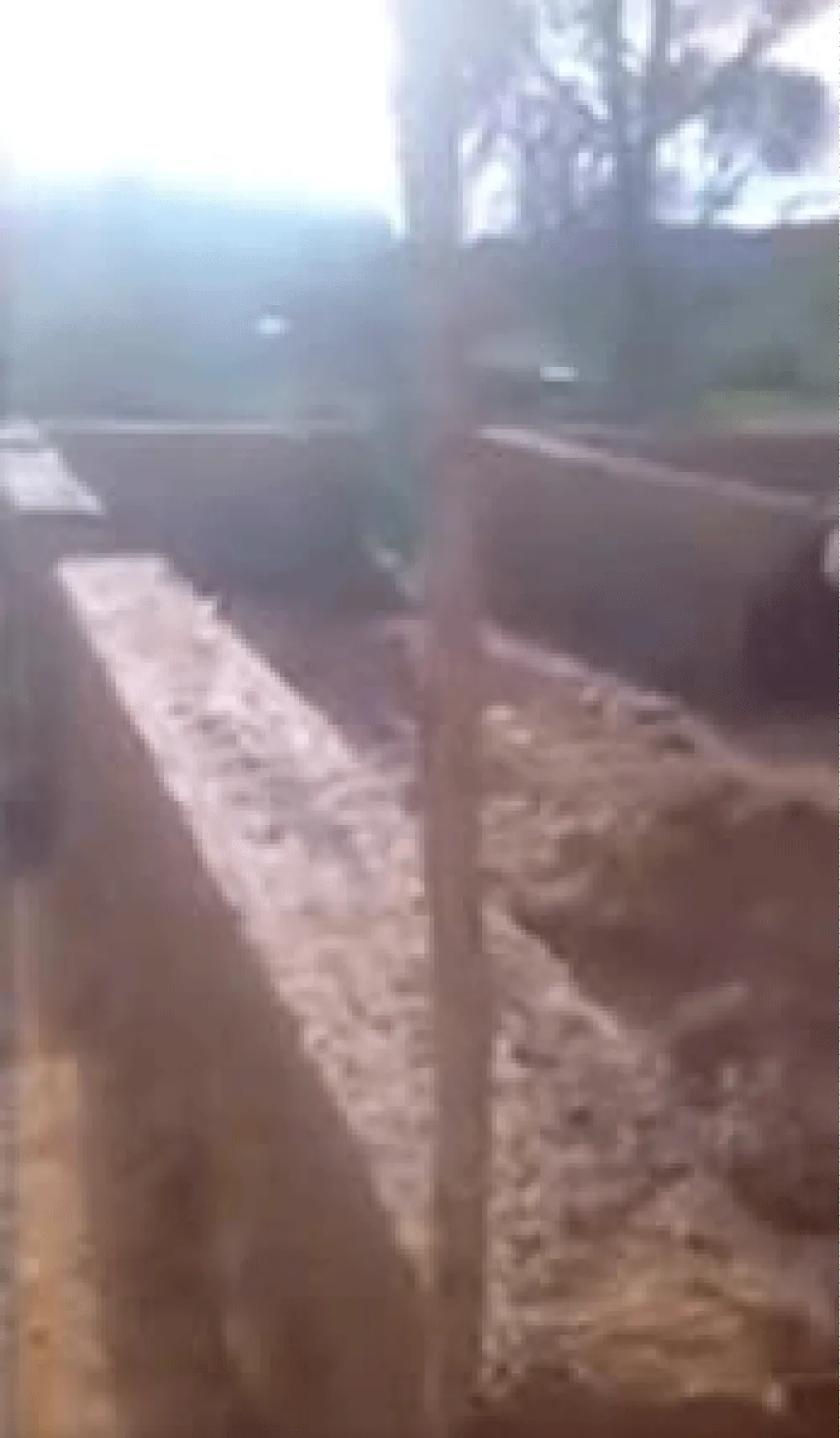
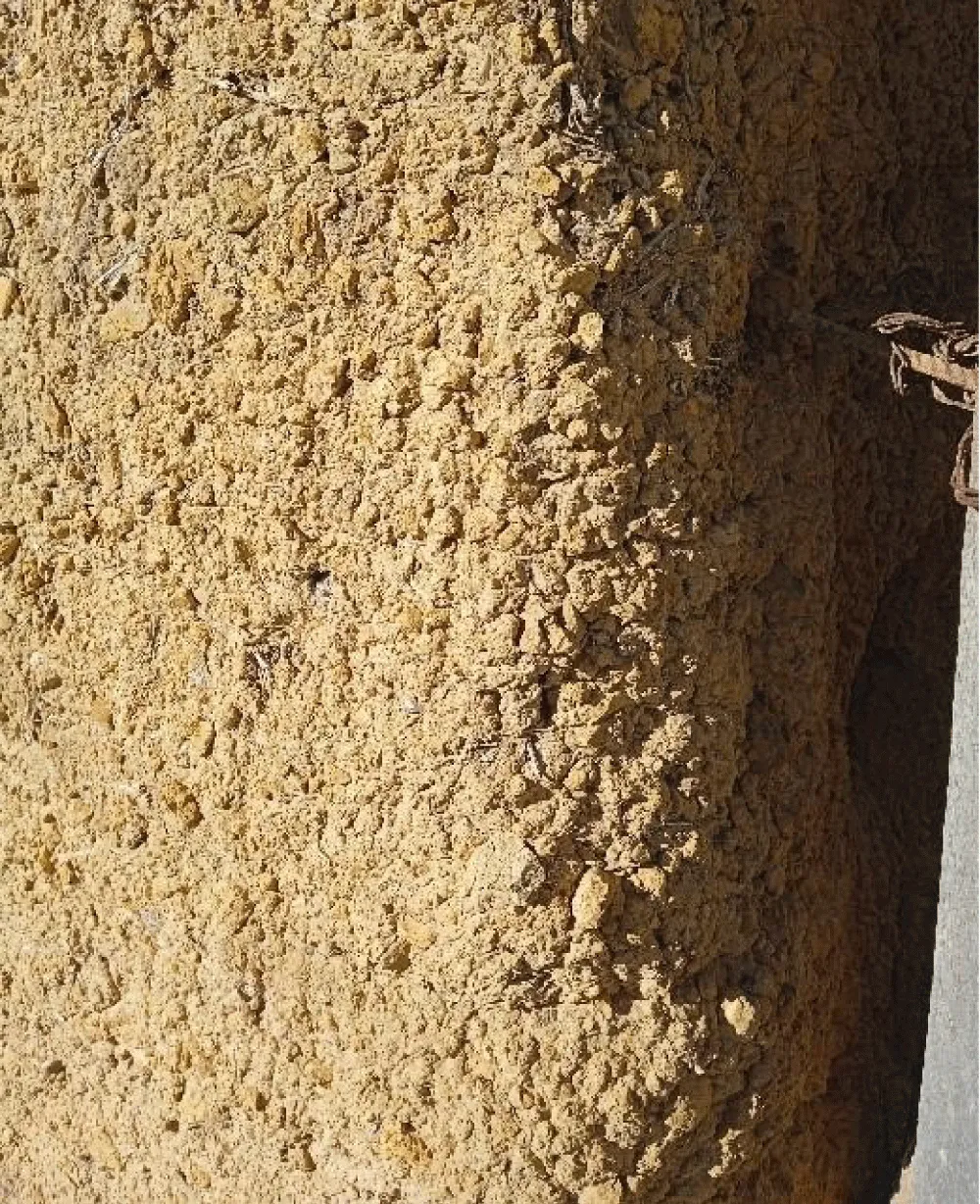
Special features and tools used: One of the most interesting aspects of this technique is the formation of monolithic, continuous walls with no visible joints. Corners must be laid, as our interviewee said, “hard, in a neat ball” [19], that is, they must be formed continuously to avoid structural weaknesses in that area (Figure 6).
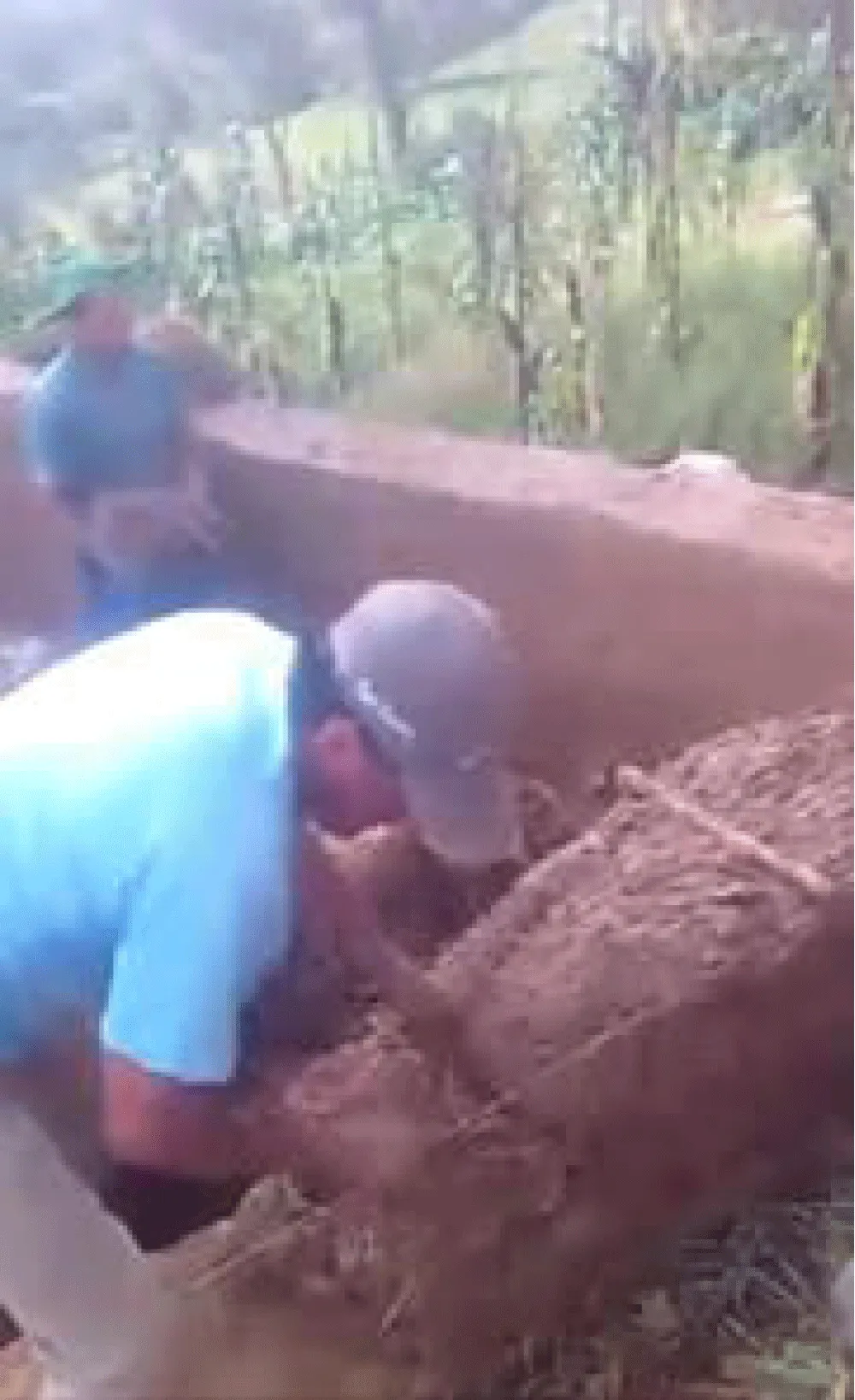
Between layers, surfaces should be leveled but not smoothed. And if stones are included, they should protrude slightly to facilitate bonding with the next course. After 6 to 7 months of construction, the outer layer of mud on the walls tends to peel off, revealing the more rigid core of the wall, which is the most important part of the structure.
In the past, the lack of adequate tools made it difficult to form completely straight corners. Today, according to the testimony gathered, some builders use serrated adobe bricks in the corners, which improves the bond with the course and reduces deformations caused by drying. If gaps occur between the course and the adobe, they are filled with mortar in a process known as quilar [19].
Another contemporary adaptation includes the use of large stones in the core of the wall, placed up to the height of the first-floor windows to increase stability. These stones remain hidden inside the wall, reinforcing its structure without affecting the exterior appearance of the facades.
The tools used by builders include plumb lines, squares, and levels, which are essential for ensuring the direction of the walls and the correct arrangement of the layers. The work is almost entirely manual, in the case of shaping the courses, where a template or wooden element is used to guide the operator in maintaining a continuous width of the course. The walls are smoothed by hand, avoiding the use of tools such as trowels, which could cause cracks in the surface. The wall is plastered with a fluid mortar to which chopped straw is added. Animal manure is also often added.
Current challenges: Lack of technical guidelines: Fernández points out that, at present, there are no technical guidelines for the correct execution of the course, which could serve as a guide and orientation for all those who still practice this tradition [19]. In this sense, training represents a new challenge both for the training of new builders and for the preservation of this tradition, which could benefit from academic studies documenting its characteristics and best practices. This could be developed as a research project, but to date, no similar work has been carried out.
Geographical distribution and prospects: The spinning technique is not exclusive to Pacopampa. According to Fernández, it is also practiced in neighboring towns such as Sillangate, Sinchimache, and Chota, where traditional buildings using this technique can still be found [19]. However, according to our interviewee, its use has declined meaningful, and currently, few master builders have mastered it and promote it as an alternative construction method. This poses an additional challenge for the preservation of this building tradition.
There is no doubt that the contribution of the Pacopampa builders is a continuation of an ancient tradition of earth construction. The way the technique is used, the absence of sophisticated tools, and the simplicity of its application are some of its most notable characteristics. Unlike pre-Columbian coastal constructions, which used sand as a stabilizer for the mud mixture, the builders of Pacopampa used plant fibers of various sizes, both in the walls and in the cladding.
Finally, the Peruvian technique is related to other similar traditions in Central America, Europe, and Africa. This particularity, together with its practice and continuity as a building tradition, gives it an undeniable heritage value. The local population’s confidence in this tradition is remarkable, which, it is hoped, will guarantee its practice and continuity in the future.
Value and heritage at risk
Industrialized materials such as cement, brick, and steel have begun to aggressively replace the traditional materials that were traditionally used in communities settled in the Peruvian Andes. Although earth-based building traditions, such as the use of adobe, persist, their use was mainly due to their wide availability; however, today, the craft of adobe is in danger of disappearing. Furthermore, earthen construction does not receive the same consideration or publicity either in academic circles or outside them. It does not appear to be a viable alternative for housing construction, especially due to the damage observed in traditional buildings during seismic events.
In this context, hilada is a special case within Peruvian vernacular architecture, and it deserves recognition. Not only does it stand out for its physical characteristics, such as durability, knowledge of the construction system, and environmental benefits, but it also stands as a symbol of sustainability in construction in this region of Peru. Therefore, the hilada should be recovered and promoted as an alternative for housing construction, as it is still used in the town of Pacopampa (Figure 7).
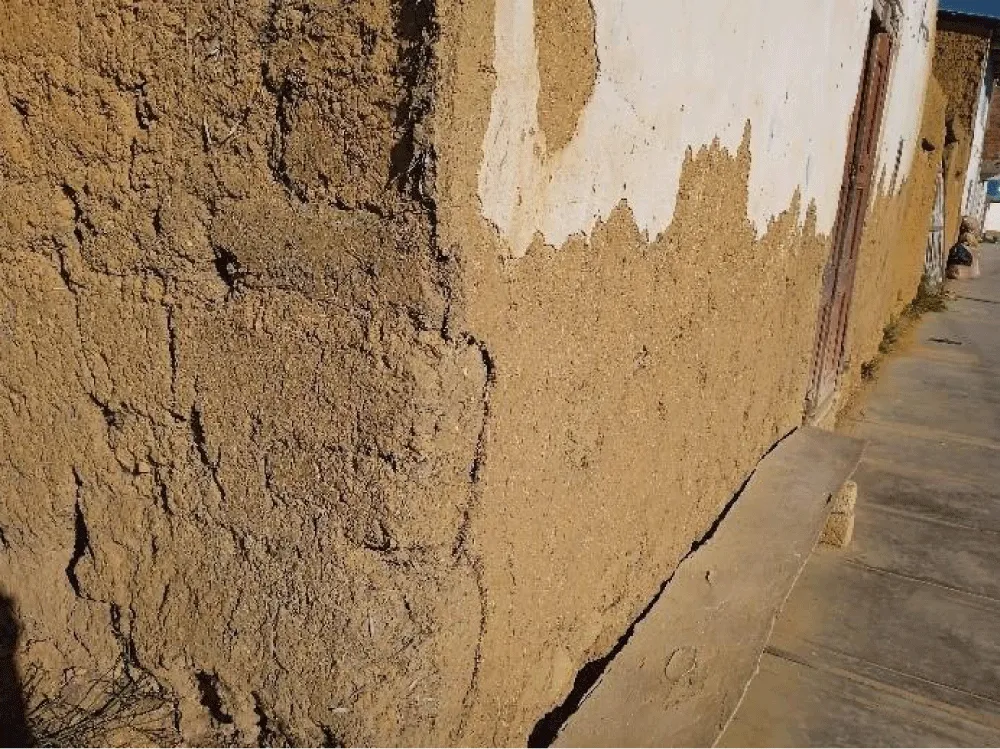
Persistence of tradition
The persistence of a tradition such as hilada can be explained by the use of local materials and by the fact that it has responded to the population’s need for comfortable housing. In this regard, it is important to note that traditional housing can currently and increasingly represent a response to the housing demands of Peruvian communities. This is because these options offer alternatives in terms of thermal comfort, but also because they are more accessible in terms of economic conditions, an aspect that is not always adequately addressed by buildings constructed with materials considered “modern” for housing in the mountainous regions of Peru.
In this context, the continuity of these traditions confirms their current relevance due to their efficiency in adapting to the local climate, especially in regions with extreme conditions, characterized by hot days and cold nights.
Likewise, certain details of the construction system, such as the continuity of the walls along the perimeter of the enclosures, ensure greater structural monolithism. This could translate into greater stability compared to Adobe constructions. Although this advantage requires verification through academic studies, this characteristic is widely recognized by the population and is supported by experience in the use of this type of housing, which has demonstrated greater durability in buildings constructed using the hilada technique (Figure 8).
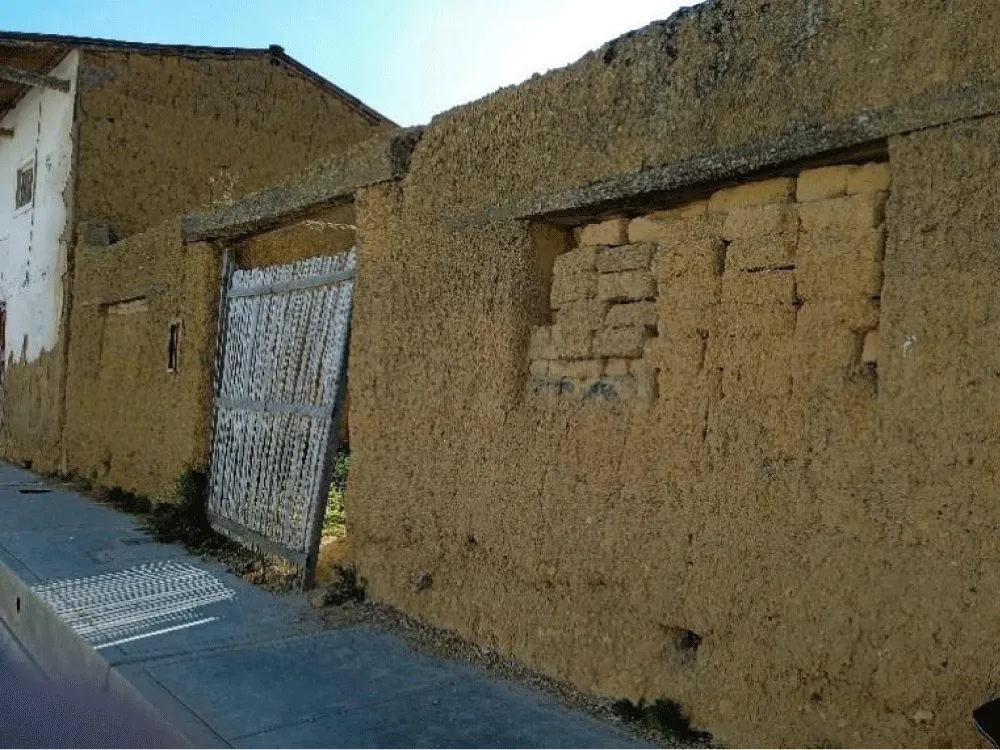
Conclusion
The hilada technique is a testament to the ingenuity and adaptability of local communities. Its durability, sustainability, and connection to intangible heritage make it a significant resource that deserves to be studied and preserved. Research and documentation of this technique would not only contribute to its preservation but also offer lessons for contemporary architecture in terms of sustainability and adaptation to the environment.
The work of Pacopampa builders not only highlights the richness of this tradition, but also invites reflection on the importance of rescuing and valuing traditional h l knowledge as part of a comprehensive approach to sustainable development in construction in Peru.
The background information studied, and the testimonies of current and traditional only serve to increase the importance of the Pacopampa builders. The persistence of a tradition that was practically forgotten takes on exceptional value, as it could allow us to find a connection between the past and the present, complementing studies of pre-Columbian techniques. This highlights the need to maintain and disseminate their knowledge and rescue it from oblivion.
Note
This research is part of the objectives of the research project “Earth4Future: Sustainable reuse of earthen architecture and its lessons for contemporary architecture” funded by the Ministry of Science and Innovation of the Government of Spain (PID2022-139154OB-I00).
We would like to thank Mr. Manuel Fernández, a resident of the town of Pacopampa, for the interview that has allowed us to obtain details on this subject. We would also like to thank Fernando Vegas and Camilla Mileto of the Polytechnic University of Valencia, supervisors of the doctoral thesis in progress, as well as Thierry Joffroy for his supervision during the research stay at the CRATerre laboratory of the National School of Architecture in Grenoble, France.
Statement of authorship contribution
Henry Eduardo Torres Peceros: Conceptualization, Formal analysis, Research, Methodology, Writing—original draft, Writing—review and editing.
- Torres H. Identity and traditions of pre-Hispanic Andean architecture. La Paz: Proterra Network; 2017. Available from: https://www.researchgate.net/publication/336768266_IDENTIDAD_Y_TRADICIONES_DE_LA_ARQUITECTURA_ANDINA_PREHISPANICA
- Campana C. Earth construction technologies on the pre-Hispanic north coast. Trujillo: National Institute of Culture – Freedom; 2000. Available from: http://repositorio.cultura.gob.pe/handle/CULTURA/41
- Walker C. Colonialism in ruins. Lima: Institute of Peruvian Studies; 2012.
- Canziani J. City and territory in the Andes: contributions to the history of pre-Hispanic urbanism. Lima: PUCP Publishing Fund; 2012. Available from: https://doi.org/10.18800/9786124146022
- Ravines R. Tecnología andina. Lima: IEP-ININVI; 1978. Available from: https://www.scirp.org/reference/referencespapers?referenceid=2767473
- Squier G. A journey through Inca lands. Lima: National University of San Marcos; 1974. Available from: https://books.google.co.in/books/about/Un_viaje_por_tierras_incaicas.html?id=p9JHAQAAMAAJ&redir_esc=y
- Ramón G. The Neoperuvian: archaeology, national style and urban landscape in Lima, 1910–1940. Lima: Metropolitan Municipality of Lima, Sequilao; 2014. Available from: https://doi.org/10.4000/bifea.6002
- Chalon PF. The art of building of the ancient Peruvians. Lima: J. Galland and E. Henriod; 1882.
- Middendorf EW. Peru: observations and studies of the country and its inhabitants during a 25-year stay. Lima: National University of San Marcos; 1973. Available from: https://books.google.com.pe/books?id=igo0EKFKjFMC
- Villar Córdoba P. Pre-Hispanic cultures of the department of Lima. Lima: Municipality of Lima; 1935. Available from: https://www.scribd.com/document/621748086/VILLAR-CORDOVA-P-1935-Las-Culturas-Pre-hispanica-Del-Departamento-de-Lima
- Muelle J. Clay technology in pre-Columbian Peru. In: Andean technology. Lima: Institute of Peruvian Studies; 1978;573-9.
- Agurto S. Pre-Hispanic Lima. Lima: Metropolitan Municipality of Lima; 1984. Available from: https://pau.krakow.pl/CAA/POL_I/CAA_POL_I_1998_019-022.pdf
- Vargas J, Soto M. Pre-Hispanic architecture in Lima from the 11th to the 15th centuries: the case of the conservation of Pyramid A of Matero Salado. Devenir. 2015;22-44. Available from: https://pdfs.semanticscholar.org/bffa/47c5659ca89aac4dae6aae1e335f29cbcb4f.pdf
- Doat P, Matuk S, Houben H, Vitoux F, Hays A. Building with earth. Paris: L'Harmattan Publishers; 1995.
- Houben H, Guillaud H. Treatise on earth construction. Marseille: Parenthèses; 1989. Available from: https://unesdoc.unesco.org/ark:/48223/pf0000083882
- Vizcarra de los Reyes Md l Á, Hernández F. Nature in the dwelling: construction traditions of mud and stone. Mexico: National Autonomous University of Mexico; 2020. Available from: https://repositorio.fa.unam.mx/handle/123456789/19073
- Delaveris I, Mamani G, Yampara P. Chullpawawa, a new earth construction unit: rediscovering pre-Hispanic history. In: Ibero-American Seminar on Architecture and Earth Construction. Oaxaca (Mexico); 2019.
- Guerrero LF. Identificación y valoración del patrimonio precolombino construido con tierra modelada. An Inst Arte Am Investig Estét "Mario J. Buschiazzo". 2018;1:125-41. Available from: https://www.scielo.org.ar/pdf/anales/v48n1/v48n1a10.pdf
- Fernández M. Interview with the builder and disseminator of the spinning technique. Interview. 2022.

 Save to Mendeley
Article Alerts
Subscribe to our articles alerts and stay tuned.
 This work is licensed under a Creative Commons Attribution 4.0 International License.